From Dust to Duty: Activating Somaliland’s National Vehicle Inspection System to Save Lives
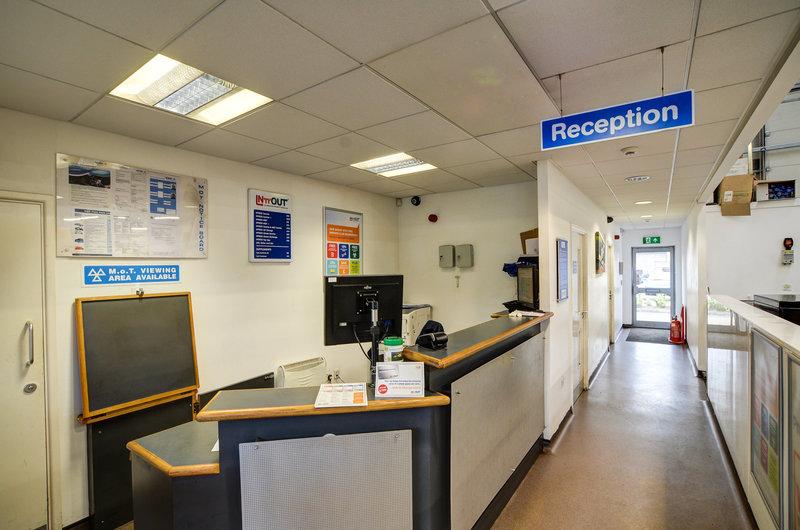
The United Kingdom’s MOT vehicle inspection system and Somaliland’s national vehicle inspection system are functionally comparable at their core. Both are designed to achieve the same non-negotiable objectives: remove unsafe vehicles from the road, enforce minimum technical standards, reduce preventable deaths and injuries, and protect the public interest. The difference between them is not vision, not design, and not capability it is implementation and enforcement.
The UK invested approximately £230 million to modernize and digitize its MOT system because unsafe vehicles were killing people, undermining public trust, and damaging the transport economy. That investment built a centralized digital inspection system, real-time test records, tester accountability, garage oversight, fraud detection, and national enforcement integration. The result was not perfection, but measurable reductions in road fatalities, mechanical failure crashes, and inspection fraud. The MOT became a pillar of road safety governance, enforced, audited, and politically protected.
Somaliland today possesses a national vehicle inspection system with the same functional pillars: inspection workflows, defect classification, brake testing, vehicle data recording, compliance logic, and institutional ownership. It is a national asset worth hundreds of millions, built to demonstrate institutional maturity, protect lives, regulate vehicles, and align Somaliland with international road safety standards. In purpose and structure, it stands in the same family as the UK MOT system.
Yet while the UK system is implemented, enforced, and continuously improved, Somaliland’s system is gathering dust in offices. Unsafe vehicles continue to operate freely. Preventable deaths continue without accountability. A system built to save lives is idle, not because it failed but because it was never activated with authority. This is not a technical failure; it is a failure of duty.
The comparison is therefore stark and unavoidable:
• The UK turned investment into enforcement.
• Somaliland has same system without activation.
Every day the system remains unused, lives are lost that did not need to be lost. The question is no longer whether Somaliland has the system — it does. The question is why a life-saving national asset is allowed to remain dormant while citizens die, get injured on preventable roads.
From dust to duty is not a technical journey.
It is a decision.
The United Kingdom’s MOT vehicle inspection system and Somaliland’s national vehicle inspection system are functionally comparable at their core. Both are designed to achieve the same non-negotiable objectives: remove unsafe vehicles from the road, enforce minimum technical standards, reduce preventable deaths and injuries, and protect the public interest. The difference between them is not vision, not design, and not capability it is implementation and enforcement.
The UK invested approximately £230 million to modernize and digitize its MOT system because unsafe vehicles were killing people, undermining public trust, and damaging the transport economy. That investment built a centralized digital inspection system, real-time test records, tester accountability, garage oversight, fraud detection, and national enforcement integration. The result was not perfection, but measurable reductions in road fatalities, mechanical failure crashes, and inspection fraud. The MOT became a pillar of road safety governance, enforced, audited, and politically protected.
Somaliland today possesses a national vehicle inspection system with the same functional pillars: inspection workflows, defect classification, brake testing, vehicle data recording, compliance logic, and institutional ownership. It is a national asset worth hundreds of millions, built to demonstrate institutional maturity, protect lives, regulate vehicles, and align Somaliland with international road safety standards. In purpose and structure, it stands in the same family as the UK MOT system.
Yet while the UK system is implemented, enforced, and continuously improved, Somaliland’s system is gathering dust in offices. Unsafe vehicles continue to operate freely. Preventable deaths continue without accountability. A system built to save lives is idle, not because it failed but because it was never activated with authority. This is not a technical failure; it is a failure of duty.
The comparison is therefore stark and unavoidable:
• The UK turned investment into enforcement.
• Somaliland has same system without activation.
Every day the system remains unused, lives are lost that did not need to be lost. The question is no longer whether Somaliland has the system — it does. The question is why a life-saving national asset is allowed to remain dormant while citizens die, get injured on preventable roads.
From dust to duty is not a technical journey.
It is a decision.

💬 Comments (0)
🔒 Please log in as an SEA engineer to join the discussion.
Log In to Comment →No comments yet. Be the first to share your thoughts!